What a gas-cost estimate actually measures
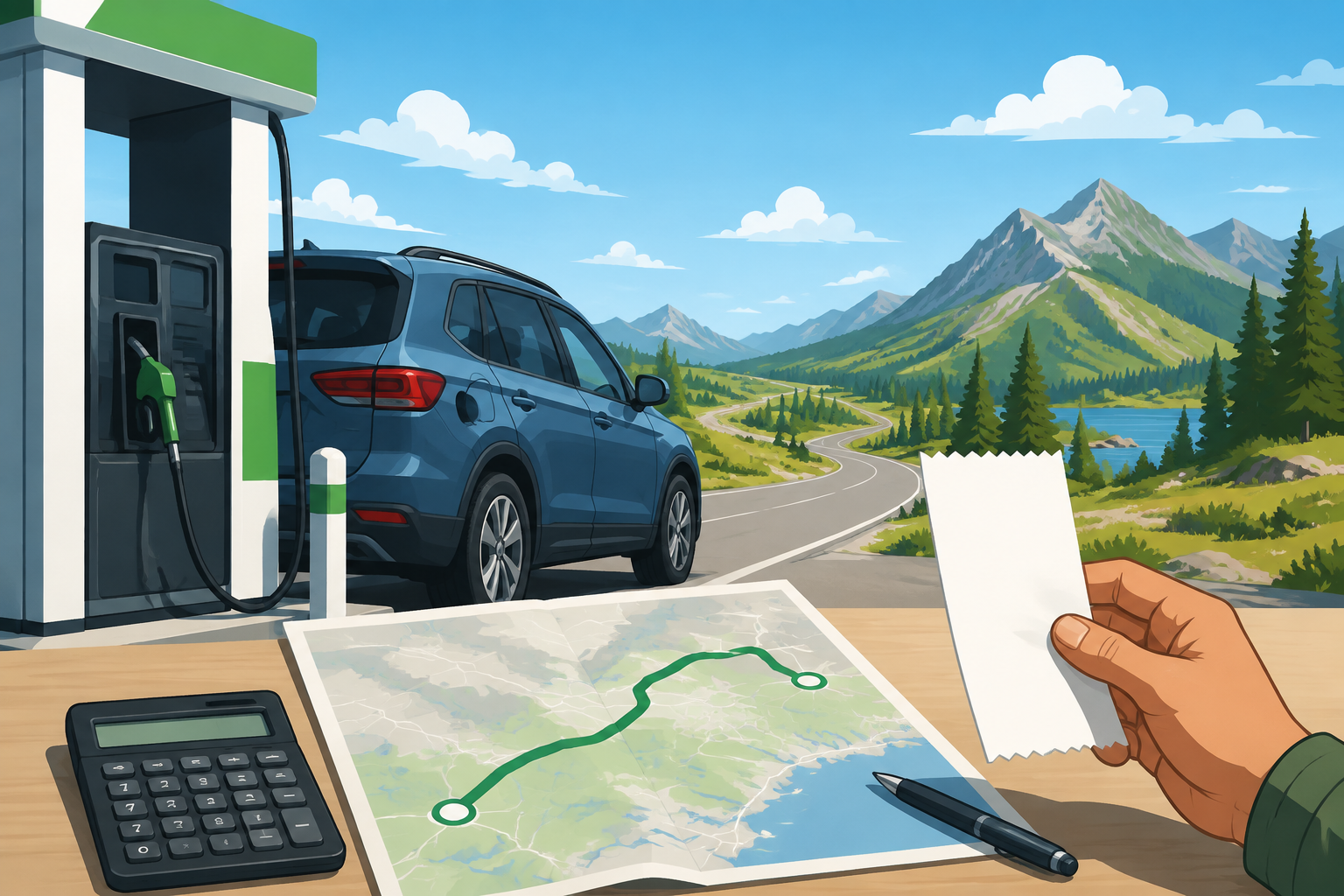
A fuel calculator does not predict the exact amount charged at a station. It estimates the fuel required for a route and multiplies that amount by an assumed price. That distinction matters because traffic, idling, hills, weather, load, tire pressure, driving style, and vehicle condition can change fuel economy. The route distance can change too if you add a stop or select a different road. The calculation is valuable because it creates a transparent baseline that you can adjust, not because it removes uncertainty from the trip.
Gather the three inputs that drive the result
Start with the one-way or total route distance from your directions. Next, choose a miles-per-gallon number that fits the vehicle and the kind of driving. A highway rating may overstate what a loaded vehicle gets in city traffic, while a recent fuel-log average may be more realistic. Finally, enter a current per-gallon price from the stations or region you expect to use. If the trip crosses several areas, use a conservative average or calculate separate legs instead of assuming one price will apply everywhere.
Estimated fuel cost = route miles ÷ miles per gallon × price per gallon
Work through a simple example
Suppose the complete route is 320 miles, the vehicle averages 28 miles per gallon, and the planning price is $3.50 per gallon. The route would require about 11.43 gallons before any extra driving. Multiplying that amount by the assumed price produces an estimated fuel cost of about $40.00. The example is intentionally simple: if the trip includes local detours, a return journey, or a vehicle that normally gets lower mileage in traffic, increase the miles or use a lower efficiency number before relying on the result.
Include return miles, stops, and detours
The most common fuel estimate error is calculating only the visible first leg. Decide whether the route is one way, round trip, or part of a larger itinerary. Add miles for hotel access, meals, sightseeing, parking searches, charging or fueling detours, and errands that are not included in the main route. For multiple stops, calculate the full planned distance rather than adding rough point-to-point guesses. A small buffer is reasonable because the vehicle may travel farther than the mapped line once the day begins.
Use a range when the price or efficiency is uncertain
Fuel prices can move between the time you plan and the time you fill up. Vehicle efficiency also changes with passengers, cargo, speed, temperature, and traffic. A useful method is to run a low and high scenario: use a slightly higher price and slightly lower miles per gallon for the cautious case. If you are splitting costs with passengers, agree on whether the group is sharing fuel only or also tolls, parking, and charging. Write down the assumptions so another person can understand how you reached the estimate.
Remember what the calculation leaves out
Fuel is only one travel cost. Tolls, parking, food, lodging, maintenance, and an electric vehicle’s charging fees may change the budget more than a small difference in gasoline price. If the route enters a remote area, availability can matter more than the average price; plan a refill before the tank becomes low. Recheck the route and the price near departure, then keep enough margin for conditions. The goal is a sensible travel budget, not false precision to the nearest cent.
Use the estimate to compare travel choices
The calculator is especially useful when comparing two reasonable plans. A shorter route may use more fuel if it includes stop-and-go traffic, while a longer highway route may reduce time but add tolls. Run the same vehicle and price assumptions against each route, then consider the value of the time, comfort, and risk involved. If the result changes only by a few dollars, do not let false precision decide the trip. Choose the option that fits the day and record why the estimate was made.
Common questions
MapQuest Gas Calculator FAQ
What formula does a MapQuest gas calculator use?
Estimate gallons by dividing route miles by miles per gallon, then multiply gallons by the assumed price per gallon. Add return miles and likely detours before calculating.
Should I use my vehicle’s advertised MPG?
A recent real-world average is often more useful. Cargo, traffic, weather, hills, speed, and driving style can make actual fuel economy lower than a laboratory or advertised figure.
Does a gas estimate include tolls and parking?
No. Treat fuel as one part of the trip budget and calculate tolls, parking, charging, food, lodging, and other costs separately.
Further reading
Official references for this guide
This independent article was written from general route-planning practice and the current references below. Product controls, coverage, and data can change, so confirm details on the live service before a time-sensitive trip.
A dependable MapQuest gas calculator estimate is transparent about its assumptions: total miles, realistic efficiency, current price, and a buffer for the driving that happens beyond the planned route.