Why people search for MapQuest Classic
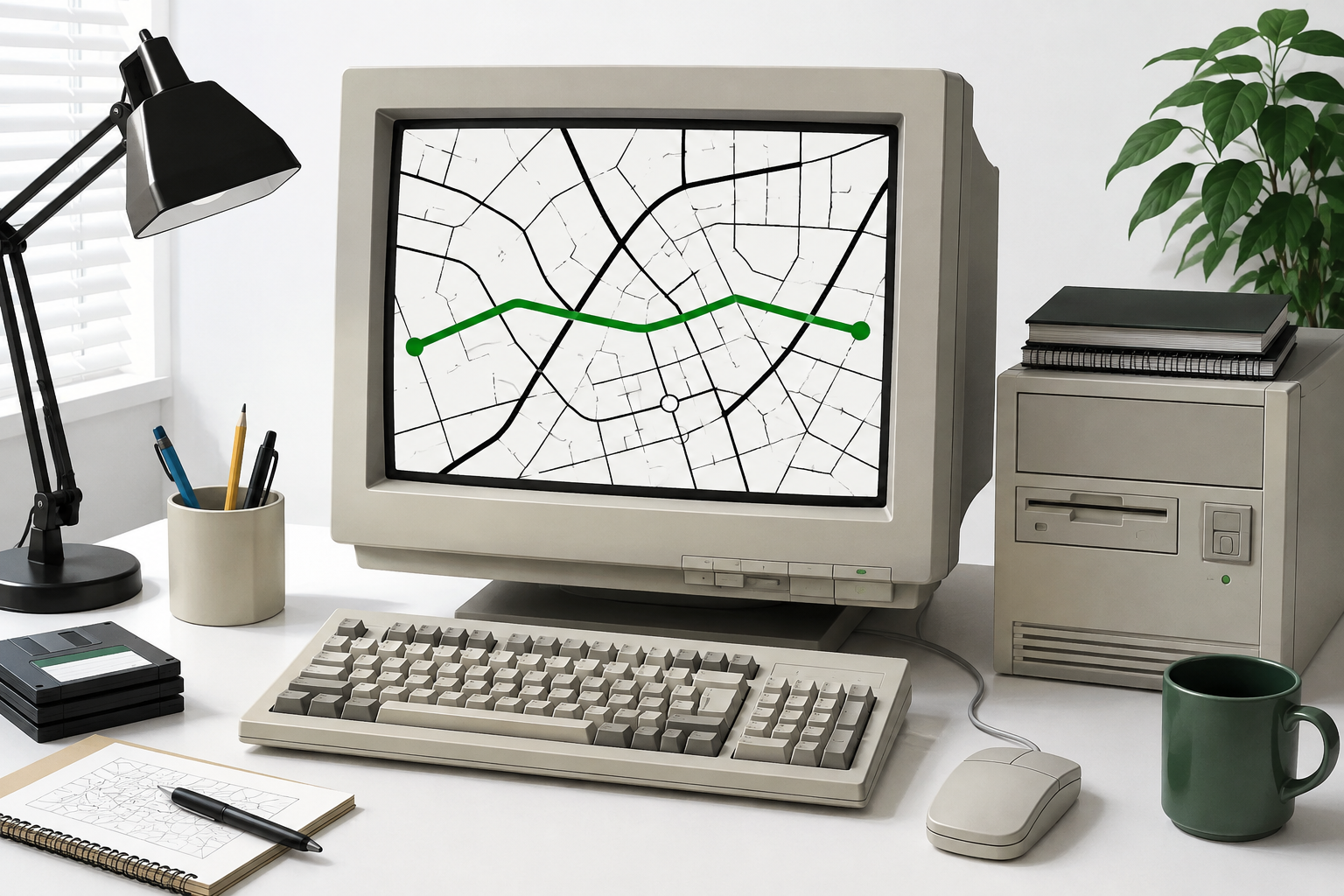
The word classic usually signals familiarity, not a precise technical requirement. A visitor may want a less distracting desktop page, a printable turn list, the habit of entering two addresses, or a map that feels easier to scan than a modern app. Those are understandable needs, but they are different from proving that an old interface is still supported. Treat the phrase as a request for a simple route-planning experience and focus on the task the person is trying to complete.
Check the current official route first
The safest starting point is the current official MapQuest directions page rather than an old third-party download or an unknown mirror. Enter the origin and destination, confirm the recognized places, and review the route in the interface that is actually available. Product URLs, labels, and login behavior can change, so a page that looks familiar in an old screenshot may not reflect the current service. Avoid installing unofficial software that promises to restore a classic interface, particularly if it asks for account credentials or unusual browser permissions.
Recreate a classic, low-distraction workflow
You can preserve the most useful parts of an older workflow without depending on a legacy URL. Use a desktop browser for a large view, enter only the places needed for the immediate route, collapse distractions when the interface allows it, and read the turn list from top to bottom. Keep the destination entrance and a nearby cross street written down. If you prefer paper, print the route while it is visible. This creates a clear plan that can survive a weak connection without claiming that an archived interface is still supported.
Know what a legacy page may not provide
An older page may lack current road data, mobile support, security updates, accessibility improvements, or traffic context. A saved screenshot can be useful as a personal reference, but it should not be treated as live directions. A legacy bookmark can also point to a domain that is no longer maintained. If a page returns an error or redirects, use the current official service and verify the route rather than repeatedly searching for a download. Familiarity is valuable only when it does not replace current information.
Protect privacy and device security
Older navigation software and browser extensions are common targets for misleading downloads. Do not enter an account password into a page that is not clearly the official domain, and do not install an executable simply because it promises a vintage map design. Check the address bar, use normal browser security updates, and avoid sharing a route containing a private home address more widely than necessary. If you only need a map for your own trip, a local printout or saved destination note may be safer than an unknown archive.
Let the goal decide the tool
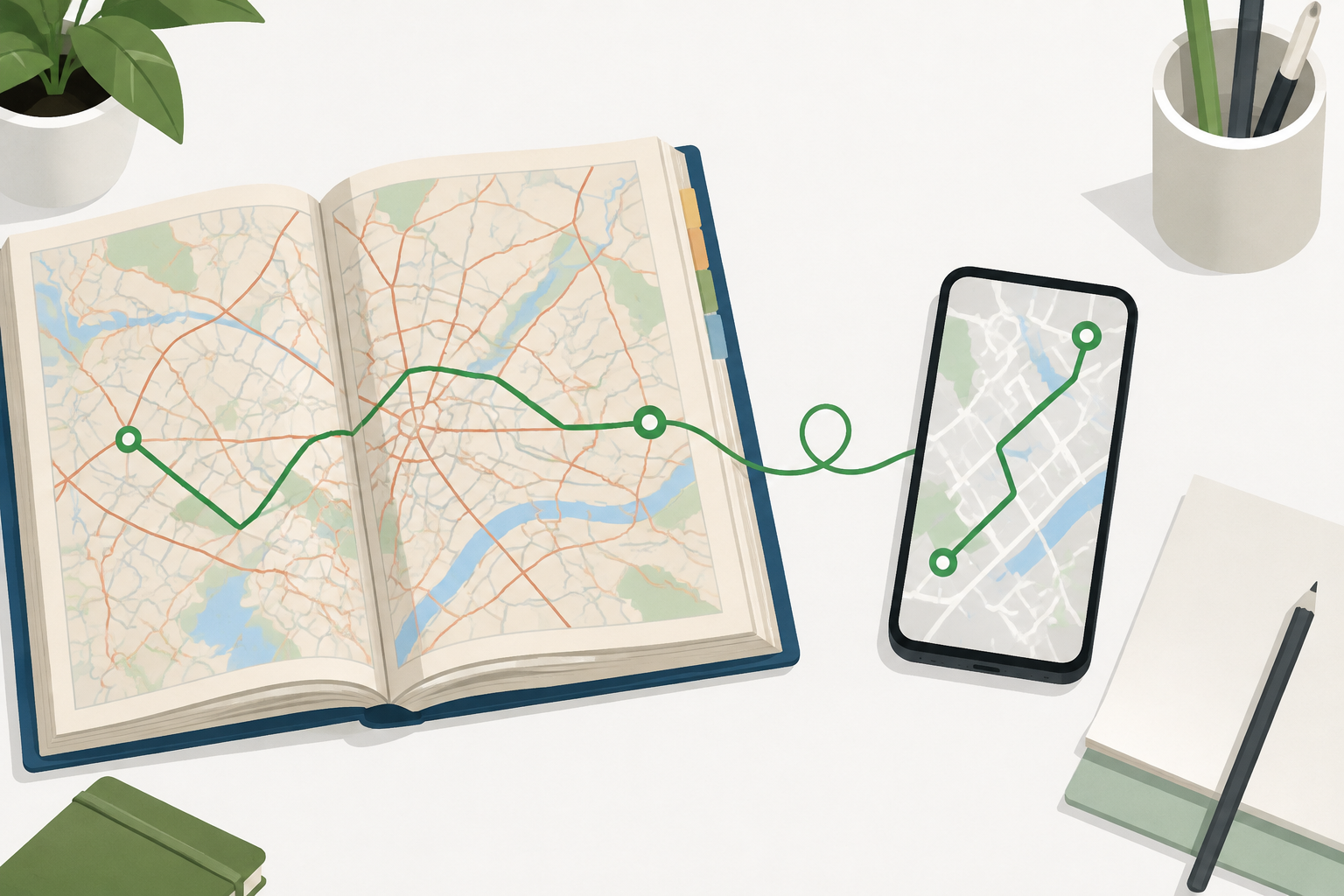
If you need a printable map, use a current route and print it. If you need live traffic, use a current page or supported app. If you need a multi-stop itinerary, use a route planner that exposes the stops clearly. If you need historical map research, label the material as historical rather than navigation-ready. These choices answer the underlying intent behind MapQuest Classic while respecting the fact that interfaces and data sources evolve. The best replacement for a legacy page is a dependable workflow, not a nostalgic screenshot.
Keep historical references clearly labeled
An old screenshot, saved route, or printed page can be valuable for remembering how a trip was planned, documenting a past journey, or explaining a change in an interface. Label it with its date and purpose so nobody mistakes it for current navigation. If you use a historical map to compare roads, confirm every present-day connection with a current source before driving. This simple separation protects the usefulness of old material while avoiding the dangerous assumption that a familiar picture still describes today’s roads, entrances, or traffic rules.
Common questions
MapQuest Classic FAQ
Is MapQuest Classic still an official product?
The term refers to a legacy-style experience, but availability and URLs can change. Use the current official MapQuest site instead of assuming an old bookmark or third-party mirror is supported.
Can I download a classic MapQuest program?
Avoid unofficial downloads that promise an old interface. They may be outdated or unsafe. A current browser route, printed map, or supported app is a safer alternative.
How can I get a simple MapQuest route today?
Use the official directions page on a desktop browser, enter exact places, review the turn list, and print or save the key details before leaving.
Further reading
Official references for this guide
This independent article was written from general route-planning practice and the current references below. Product controls, coverage, and data can change, so confirm details on the live service before a time-sensitive trip.
MapQuest Classic is best approached as a request for a familiar, focused map workflow. Preserve that simplicity with current official tools, careful route review, and a dependable backup.